


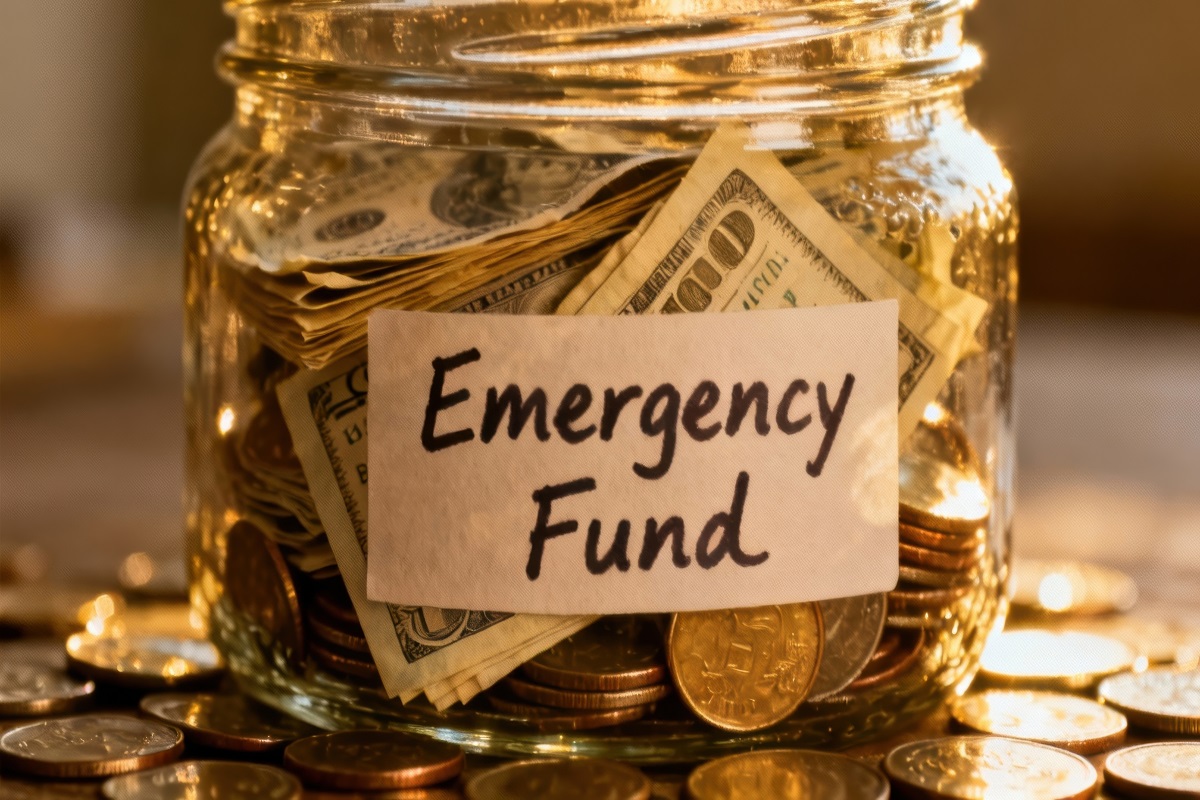
Life is full of unexpected expenses. Your car may break down, your home may need urgent repairs, or you could face a temporary loss of income.
Without savings, these situations often lead to debt and financial stress.
An emergency fund provides a financial safety net that helps you handle unexpected expenses without relying on credit cards or loans.
In this guide, you’ll learn what an emergency fund is, why it’s important, and how much money you should save.
What Is an Emergency Fund?
An emergency fund is money set aside specifically for unexpected expenses or financial emergencies.
It is not intended for vacations, shopping, or planned purchases.
Examples of emergencies include:
- Medical expenses
- Job loss
- Car repairs
- Home repairs
- Emergency travel
The purpose of an emergency fund is to protect your financial stability during difficult situations.
Why Is an Emergency Fund Important?
An emergency fund helps you:
- Avoid high-interest debt
- Reduce financial stress
- Handle unexpected expenses
- Maintain your budget
- Protect long-term financial goals
Many people face emergencies every year. Having savings available can make these situations much easier to manage.
How Much Should You Save?
Financial experts often recommend saving three to six months of living expenses.
For example:
If your monthly expenses are $2,000:
- 3 months = $6,000
- 6 months = $12,000
If you’re just getting started, aim for your first $500 to $1,000.
Small goals are easier to achieve and build momentum.
Where Should You Keep Your Emergency Fund?
Your emergency fund should be:
- Easy to access
- Safe from market risk
- Separate from daily spending accounts
Common options include:
- High-yield savings accounts
- Online savings accounts
- Money market accounts
Avoid investing emergency funds in stocks or high-risk investments.
How to Build an Emergency Fund
- Set a Savings Goal
Decide how much you want to save.
Start with a realistic target such as:
- $500
- $1,000
- One month of expenses
- Create a Monthly Savings Plan
Choose a fixed amount to save each month.
Examples:
- $50 per month
- $100 per month
- $200 per month
Consistency matters more than the amount.
-
Automate Your Savings
Set up automatic transfers from your checking account to your savings account.
Automation removes the temptation to spend the money.
- Reduce Unnecessary Expenses
Look for areas where you can cut costs.
Examples include:
- Subscription services
- Dining out
- Impulse purchases
- Unused memberships
Redirect those savings into your emergency fund.
-
Use Extra Income Wisely
Consider saving:
- Tax refunds
- Bonuses
- Freelance income
- Side hustle earnings
These funds can help you reach your goal faster.
Common Emergency Fund Mistakes
Avoid these common mistakes:
Using It for Non-Emergencies
An emergency fund should only be used for genuine emergencies.
Keeping Too Little Cash
A few hundred dollars may not be enough for major emergencies.
Investing Emergency Savings
Emergency funds should remain accessible and stable.
Not Replenishing the Fund
If you use part of your emergency fund, rebuild it as soon as possible.
Emergency Fund vs Savings Account
Not all savings accounts are emergency funds.
An emergency fund has a specific purpose:
Protecting you from unexpected financial challenges.
You may have other savings goals such as:
- Vacations
- Home purchases
- Education
Keep these funds separate from your emergency savings.
Final Thoughts
An emergency fund is one of the most important parts of a healthy financial plan.
It provides security, reduces stress, and helps you avoid debt during unexpected situations.
Start small if necessary. Even a modest emergency fund is better than having no savings at all.
The key is to begin today and build your financial safety net one step at a time.
Frequently Asked Questions
What is the purpose of an emergency fund?
An emergency fund helps cover unexpected expenses such as medical bills, job loss, or urgent repairs without relying on debt.
How much should I have in my emergency fund?
Most experts recommend saving three to six months of living expenses. Beginners can start with a goal of $500 to $1,000.
Where should I keep my emergency fund?
A high-yield savings account is often the best option because it keeps your money safe and easily accessible.
Can I invest my emergency fund?
Emergency funds should generally not be invested in stocks or other high-risk assets because their value can fluctuate.
How long does it take to build an emergency fund?
The timeline depends on your income and savings rate. Consistent monthly contributions can help you reach your goal over time.
Should I use my emergency fund to pay off debt?
Emergency funds and debt repayment are both important. Most people benefit from keeping at least a small emergency fund while paying down debt.
What qualifies as a financial emergency?
Examples include medical expenses, job loss, emergency home repairs, emergency travel, and unexpected car repairs.
Can I have more than six months of expenses saved?
Yes. People with variable income or self-employment often choose to save more than six months of expenses for additional security.