

If you’ve started learning about investing, you’ve probably come across two popular investment options: ETFs and index funds.
At first glance, they may seem almost identical. Both are designed to help investors build diversified portfolios without buying dozens or even hundreds of individual stocks.
So, what makes them different?
The answer is simpler than many people think.
Whether you live in the United States, the United Kingdom, Canada, or Australia, understanding the differences between ETFs and index funds can help you make smarter investment decisions.
Let’s explore how each one works and which may be a better fit for your financial goals.
What Is an ETF?
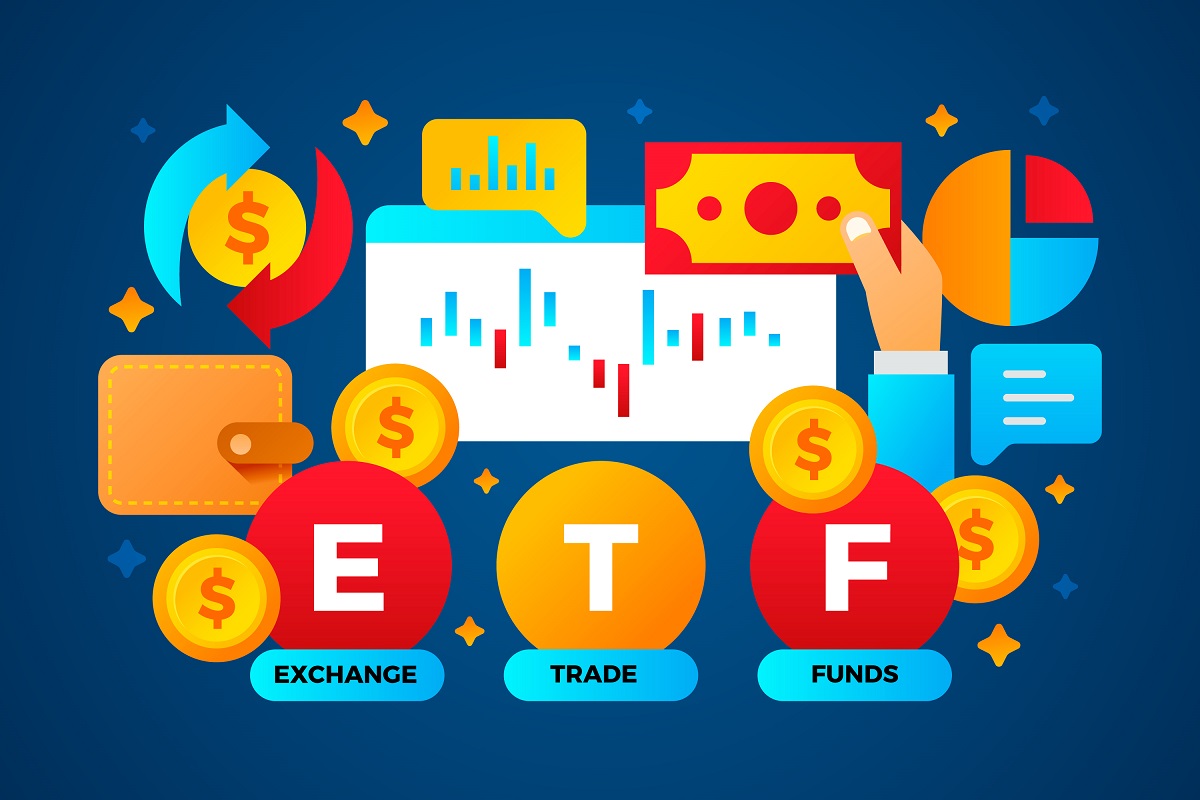
An Exchange Traded Fund, or ETF, is a collection of investments that trades on a stock exchange.
An ETF may hold:
• Stocks
• Bonds
• Commodities
• Real estate investments
• Other financial assets
You can buy or sell ETF shares throughout the trading day, just like individual stocks.
What Is an Index Fund?
An index fund is an investment fund designed to track the performance of a specific market index.
Instead of trying to beat the market, an index fund aims to match the performance of the index it follows.
Many index funds invest in hundreds of companies, giving investors broad market exposure through a single investment.

Similarities Between ETFs and Index Funds
Both investment options share several important features.
They typically offer:
• Diversification
• Long-term investing opportunities
• Lower costs than many actively managed funds
• Passive investing strategies
• Access to a wide range of companies
For many investors, both can be excellent choices.
Key Differences
Trading
ETFs trade throughout the day while the stock market is open.
Index funds are generally priced once at the end of each trading day.
Flexibility
ETFs provide more flexibility because you can buy or sell shares whenever the market is open.
Index funds are designed more for long-term investing rather than frequent trading.
Investment Costs
Both usually have relatively low management fees.
However, ETFs may involve brokerage fees depending on your investment platform.
Always compare costs before investing.
Minimum Investment
Many ETFs allow investors to purchase a single share.
Some index funds may require a minimum investment amount, although this varies by provider.
Benefits of ETFs
ETFs are popular because they offer:
• Easy buying and selling
• Broad diversification
• Lower management costs
• Access to many markets and industries
• Suitable for beginner and experienced investors
Benefits of Index Funds
Index funds also offer several advantages.
They provide:
• Simple long-term investing
• Broad market exposure
• Passive management
• Lower costs than many actively managed funds
• Strong potential for long-term wealth building
Which Option Is Better?
There is no single answer.
The better choice depends on your investment goals.
An ETF may be suitable if you:
• Want flexibility to trade during market hours
• Prefer a wide variety of investment choices
• Want to invest smaller amounts
An index fund may be suitable if you:
• Prefer a simple buy-and-hold strategy
• Focus on long-term investing
• Want a hands-off investment approach
Many investors choose to own both.
Tips for Beginners
If you’re just getting started, keep these tips in mind.
Focus on Long-Term Goals
Avoid making investment decisions based on short-term market movements.
Diversify Your Portfolio
Do not invest all your money in one company or one industry.
Invest Consistently
Regular investing often produces better long-term results than trying to predict market highs and lows.
Continue Learning
The more you understand investing, the more confident your decisions will become.
Final Thoughts
Both ETFs and index funds are excellent tools for building long-term wealth.
They share many similarities, including diversification, lower costs, and passive investing strategies.
The right choice depends on your personal financial goals, investment style, and preferred level of flexibility.
For many beginners, either option can be a smart way to begin investing.
The most important step is to start with a plan, stay consistent, and focus on your long-term financial future.
Frequently Asked Questions
What is the main difference between an ETF and an index fund?
The main difference is that ETFs trade throughout the day like stocks, while index funds are generally priced once after the market closes.
Are ETFs better than index funds?
Neither is universally better. The right choice depends on your investment goals, preferred investing style, and the features offered by your investment platform.
Which option is better for beginners?
Both can be suitable for beginners because they offer diversification and lower costs compared to many actively managed funds.
Can an ETF track the same index as an index fund?
Yes. Many ETFs and index funds are designed to track the same market index.
Do ETFs have lower fees than index funds?
Many ETFs have competitive fees, but costs vary. Always compare expense ratios and any trading fees before investing.
Can I own both ETFs and index funds?
Yes. Many investors include both in their portfolios to match different financial goals.
Are ETFs risk free?
No. Like all investments, ETFs can rise or fall in value depending on market conditions.
Should I choose an ETF or an index fund for retirement?
Both can play a role in retirement investing. The best choice depends on your investment strategy, time horizon, and financial objectives.